
In today’s fast-paced and knowledge-driven world, literacy and numeracy form the foundation of lifelong learning. These skills are not only essential for academic success but also for navigating everyday life and the modern workforce. For young people, particularly those transitioning through secondary school or preparing for qualifications like NCEA literacy and numeracy, gaining strong foundational skills can open doors to countless opportunities.
Achieving an NCEA qualification requires students to meet specific numeracy standards and pass a co-requisite assessment in both literacy and numeracy.
What Is Literacy?
Literacy is far more than just reading and writing. It’s the ability to understand, interpret, and communicate ideas effectively. Literacy is a process that involves making sense of written and spoken language in various contexts, enabling individuals to participate fully in society.
In a structured literacy approach, learners are taught to connect sounds with letters, recognise word patterns, and build comprehension skills step by step. Phonics is a key method in this approach, helping learners decode words by understanding the relationship between sounds and letters.
Being literate means having the confidence to read a document, write a report, or express opinions clearly.For young people, developing literacy skills also strengthens critical thinking and problem-solving abilities. Whether they are analysing a novel, following instructions, or crafting a presentation
What Is Numeracy?
Numeracy is the ability to use and understand numbers in everyday life. It goes beyond basic arithmetic numeracy and involves logical thinking, measuring, interpreting data, and applying mathematical reasoning to real-life situations.
Numeracy is often assessed through both formal and informal assessment methods to measure students’ abilities and identify areas where additional support may be needed.
In practical terms, numeracy skills help young people make sense of things like budgeting, managing time, comparing prices, or understanding statistics in news articles. A solid grasp of numeracy enables individuals to make informed decisions and solve problems confidently.
Why Literacy and Numeracy Matter for Youth
Strong literacy and numeracy skills are key indicators of success, not only in education but also in future employment and life satisfaction. Students who lack these skills often face challenges in completing schoolwork, understanding instructions, or meeting workplace expectations.
The NCEA literacy and numeracy requirements in New Zealand, for example, emphasise these as core capabilities. They ensure that students leave school equipped with the essential reading, writing, and mathematical understanding needed for further study, vocational training, or entering the workforce.
Research consistently shows that youth with poor literacy and numeracy outcomes are more likely to struggle with employment, financial independence, and civic engagement. Differences in literacy achievement, including variations in adult literacy rate across regions, can significantly impact health outcomes and the overall quality of lives.
Higher achievement in literacy is linked to better health, increased access to opportunities, and improved life prospects, while lower adult literacy rates are associated with disparities in health and social inclusion.
Structured Literacy: Building Skills the Right Way
Structured literacy is an evidence-based approach that focuses on explicit, systematic teaching of reading and writing. This concept involves understanding the processes and systems that support literacy development, recognising that literacy is shaped by social, cultural, and educational systems.
This approach breaks down language into manageable components such as phonology, spelling, grammar, and comprehension, allowing students to build understanding in a logical sequence. For youth who struggle with reading or writing, structured literacy can make a significant difference by providing clear instruction and targeted support.
The same principle applies to structured numeracy programmes, where concepts are taught progressively, ensuring learners master each step before moving on. When combined, structured literacy and numeracy interventions can dramatically improve educational outcomes and confidence among young people.
What Are Basic Literacy and Numeracy Skills?
Basic literacy and numeracy skills are the essential building blocks for learning and independence. For children, developing basic skills including language skills is vital for their success in education, employment, and daily life.
- Basic literacy includes reading simple texts, writing short messages or forms, and understanding everyday documents.
- Basic numeracy includes recognising numbers, performing simple calculations, and interpreting basic graphs or measurements.
These skills form the foundation for more advanced learning. Without them, students may find it difficult to grasp complex subjects or engage fully in society.
Ensuring that every young person achieves basic literacy and numeracy competency is therefore a crucial step in promoting equality and opportunity, and it is essential to support each child in developing these foundational skills from an early age to help all children reach their full potential.
How Intensive Literacy and Numeracy Programmes Help
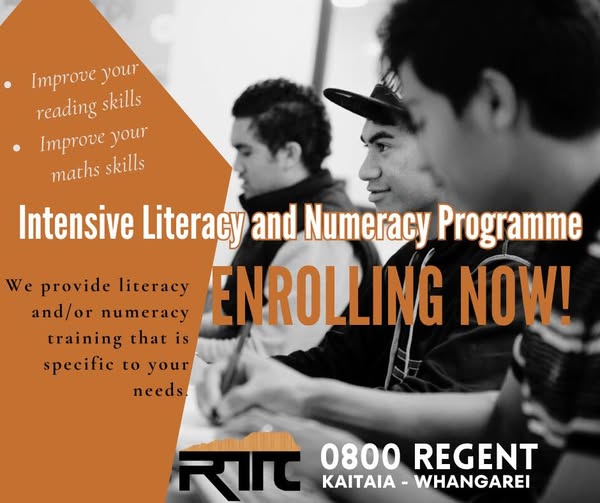
Intensive literacy and numeracy programmes provide targeted support for students who need extra help to reach expected levels. These programmes use focused, small-group or one-on-one teaching sessions to build skills systematically and address learning gaps.
Benefits of intensive programmes include:
- Personalised instruction: Tailored to individual learning styles and needs.
- Faster progress: Frequent, focused sessions accelerate skill development.
- Confidence building: As students master foundational skills, their motivation and self-esteem grow. Access to appropriate resources and supportive processes helps students feel confident and succeed in their learning.
- Long-term impact: Improved literacy and numeracy boost performance in all subjects and enhance employability later in life.
When schools and educators invest in these initiatives, they not only improve individual outcomes but also strengthen communities and the economy as a whole.
Preparing Youth for the Future
The modern world demands a workforce that can read critically, analyse data, and communicate effectively. Technology, automation, and globalisation are reshaping the skills needed for success and literacy and numeracy are at the heart of it all. Digital technology is creating new opportunities and challenges for developing communication skills and the ability to effectively communicate in diverse environments.
For young people, mastering these abilities ensures they can adapt to new challenges, pursue further education, and participate confidently in society. Being engaged and developing strong communication skills are essential for success in the modern workforce.
Contact RTC today to learn more about our literacy and numeracy programmes and discover how we can help your young learners reach their full potential